What is Meningitis?
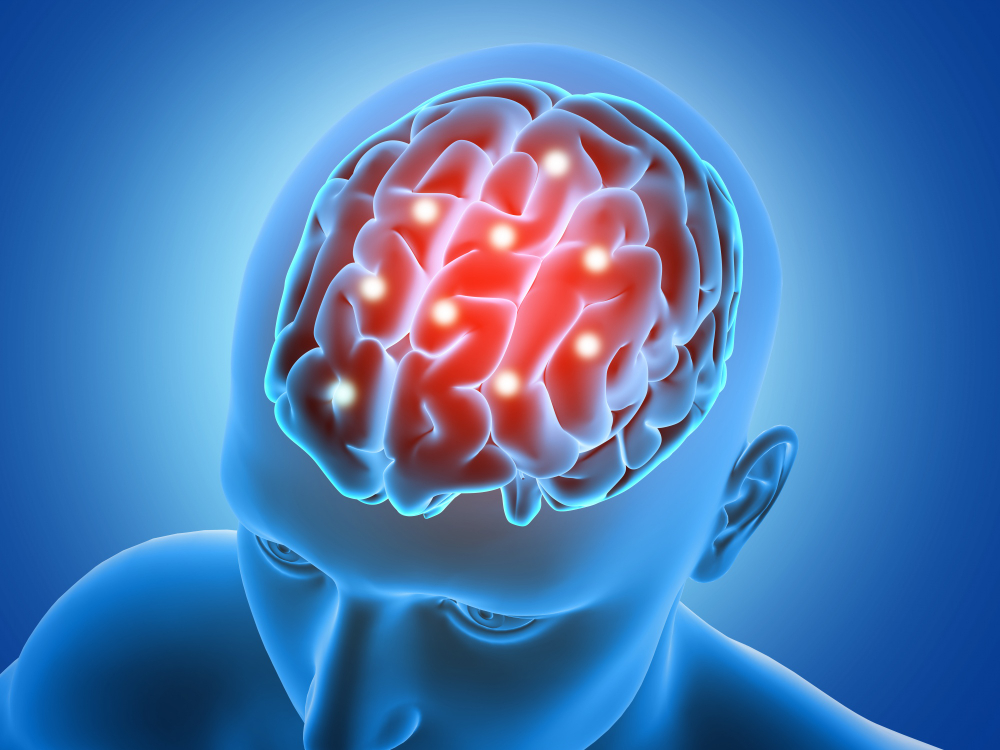
Meningitis is a serious illness. It happens when the protective layers around the brain and spinal cord become inflamed. This swelling can be caused by infections from viruses, bacteria, or fungi. Because meningitis can get worse quickly, meningitis awareness is very important. Knowing the early signs of meningitis can help save lives in your community.
Common Symptoms of Meningitis
Early signs of meningitis can look like the flu. However, symptoms often get worse fast. Watch for these signs:
In addition, babies may show different symptoms. For example, they may be very fussy, have a weak cry, or refuse to eat. If you notice these signs, act quickly.
Causes and Risk Factors
Meningitis can be caused by different germs. Bacteria and viruses are the most common. However, fungi can also cause it, especially in people with weak immune systems. Some risk factors include:
Because these risks can affect anyone, meningitis prevention is important for all ages.
Importance of Early Diagnosis
Early diagnosis of meningitis can save lives. For example, bacterial meningitis can become deadly within hours. However, quick treatment can lower the risk of serious problems. In addition, early care helps prevent long-term effects, such as hearing loss or brain damage. Therefore, knowing the early signs of meningitis and acting fast is key.
How is Meningitis Diagnosed?
Doctors use several steps to diagnose meningitis. First, they ask about symptoms and check for signs like a stiff neck. Next, they may order tests, such as:
Because early diagnosis is so important, visit a nearby hospital if you suspect meningitis. Quick meningitis diagnosis leads to better outcomes.
Treatment Options
Treatment depends on the cause. For example, bacterial meningitis needs antibiotics right away. In addition, doctors may give fluids, pain medicine, or oxygen. Viral meningitis often gets better on its own, but rest and fluids help. However, some severe cases may need hospital care. Always follow your doctor’s advice for the best results.
Prevention Tips
You can lower your risk of meningitis. Here are some simple tips:
In addition, teach children about good hygiene. Because prevention is easier than treatment, these steps help protect your family and your community.
When to Seek Medical Help
If you notice early signs of meningitis, seek help right away. For example, a sudden high fever, stiff neck, or confusion are warning signs. In addition, if someone has a seizure or trouble breathing, call emergency services. Quick action can save lives. Do not wait for symptoms to get worse.
In summary, meningitis awareness and early diagnosis are vital. If you or someone you know shows symptoms, consult a healthcare professional immediately. Early care can make all the difference.