

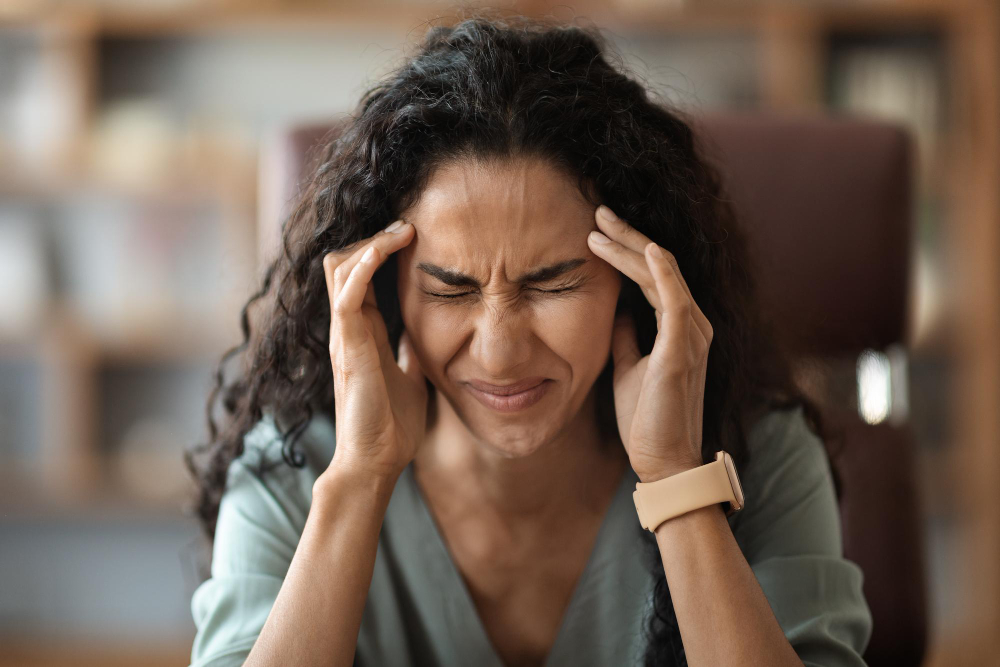
What is Migraine?
Migraine is a common type of headache that can cause severe pain. Many people experience throbbing or pulsing pain, usually on one side of the head. Often, migraines can last for hours or even days. For some, the pain is so strong that it affects daily life. According to the World Health Organization, migraine is one of the most disabling health conditions worldwide. Because of this, understanding migraine symptoms and how to manage them is important for many people.
Common Symptoms of Migraine
Not everyone has the same migraine symptoms. However, some signs are more common than others. Early symptoms may start hours before the headache begins. These are called warning signs or aura. For example, you may notice changes in vision or feel tingling in your hands or face. During a migraine attack, you might have:
After the headache, you may feel tired or have trouble focusing. This stage is called the postdrome.
Causes and Triggers
Doctors do not know the exact cause of migraine. However, changes in the brain and genetics may play a role. Certain triggers can make migraines more likely. For instance, some people notice that certain foods or drinks cause attacks. Other common migraine triggers include:
Because triggers can be different for everyone, keeping a headache diary may help you find your own triggers.
Diagnosis of Migraine
Doctors diagnose migraine by asking about your symptoms and medical history. There is no single test for migraine. However, your doctor may do a physical exam and ask about your headache patterns. Sometimes, tests like MRI or CT scans help rule out other causes. If you have frequent or severe headaches, it is important to seek a proper migraine diagnosis. Early diagnosis can help you find the best treatment options.
Treatment Options
There are many migraine treatment options available. Some people find relief with over-the-counter pain medicines. Others may need prescription drugs. For example, triptans are a type of medicine that can stop a migraine attack. In addition, some people use preventive medicines to reduce how often migraines happen. Your doctor may suggest:
Because everyone is different, your doctor will help you choose the best migraine treatment options for your needs.
Lifestyle Tips and Prevention
Making small changes in your daily life can help prevent migraines. For instance, keeping a regular sleep schedule and eating balanced meals may lower your risk. Here are some tips on how to prevent migraines:
Because prevention is key, talk to your doctor about other ways to reduce migraine attacks.
When to See a Doctor
Sometimes, migraines can be managed at home. However, you should see a doctor if:
Early medical care can help you get the right migraine diagnosis and treatment. In summary, do not ignore new or worsening symptoms.
If you or someone you know struggles with migraines, consult a neurologist for personalized migraine management and advice.