

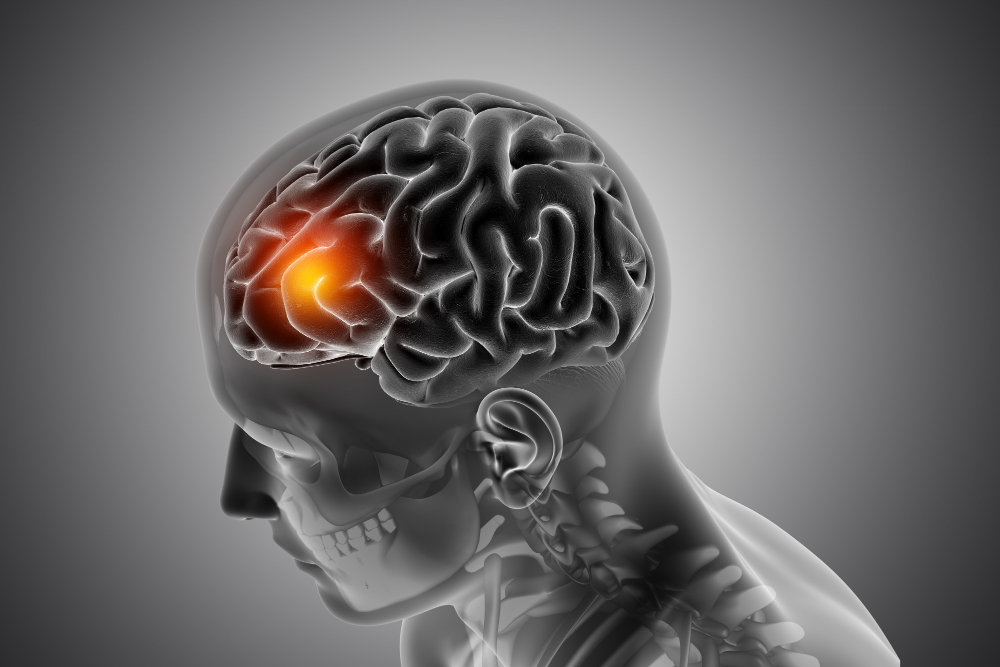
What Are Brain Tumours?
Brain tumours are abnormal growths of cells in the brain. Some tumours are non-cancerous (benign), while others are cancerous (malignant). Both types can cause health problems because they take up space inside the skull. As a result, they may press on important parts of the brain. There are many brain tumour types, and each can affect people differently. For example, some grow slowly, while others grow quickly. Although brain tumours can happen at any age, they are more common in adults and older children. According to the World Health Organization (WHO), brain tumours are a leading cause of neurological symptoms worldwide.
Common Symptoms of Brain Tumours
Brain tumours can cause many different symptoms. However, the signs of brain tumours depend on their size and location. Early symptoms may be mild, but they can get worse over time. If you notice any of these signs, it is important to talk to a doctor:
Sometimes, symptoms can be subtle. For instance, mood changes or personality shifts may also occur. Because these signs can be caused by other conditions, it is best to get checked by a healthcare provider.
Causes and Risk Factors
Doctors do not always know why brain tumours develop. However, some factors may increase the risk. For example, a family history of brain tumours can play a role. In addition, exposure to high doses of radiation, such as radiation therapy for other cancers, may raise the risk. Certain rare genetic conditions, like neurofibromatosis, can also make brain tumours more likely. Most brain tumours are not linked to lifestyle or environmental factors. Still, ongoing research continues to explore possible causes.
How Brain Tumours Are Diagnosed
Early diagnosis is important for better outcomes. If a doctor suspects a brain tumour, they will start with a medical history and physical exam. Next, they may order tests to look at the brain. Common tests include:
Blood tests and other exams may also help rule out other causes. Because brain tumour diagnosis can be complex, it is best handled by a neurologist or neurosurgeon.
Treatment Options for Brain Tumours
Treatment depends on the type, size, and location of the tumour. Age and overall health also matter. Here are some common brain tumour treatment options:
Sometimes, a team of specialists will combine treatments for the best results. In many cities, including major hospitals worldwide, advanced brain tumour treatment is available. Your care team will discuss the best plan for you.
Living with a Brain Tumour: Lifestyle and Support
Living with a brain tumour can be challenging. However, support and healthy habits can help. For example, regular check-ups and following your treatment plan are important. In addition, eating a balanced diet and staying active may improve your well-being. Many people find comfort in support groups or counseling. Family and friends can also provide emotional support. If you have trouble with daily tasks, occupational or physical therapy may help. Remember, you are not alone, and help is available.
Prevention and Early Detection Tips
There is no sure way to prevent brain tumours. However, some steps may help with early detection:
While most brain tumours cannot be prevented, early diagnosis can improve treatment outcomes. Staying informed and aware of the signs of brain tumours is key.
Conclusion
Brain tumours can affect anyone, but early detection and treatment make a difference. If you notice symptoms or have concerns about brain tumours, consult a neurologist or neurosurgeon for personalized advice. Your health and peace of mind are important.